Smudged glass changes how you experience a room. Natural light steps in differently when panes are clean, and suddenly the paint looks warmer and the plants perk up. Yet the way you achieve that sparkle matters just as much as the result. Traditional formulas rely on solvents and synthetic fragrances that fog the air, irritate skin, and travel downstream. An eco-friendly approach, when done properly, delivers the same clarity with less risk to your family, your pets, and the local watershed.
I have cleaned a lot of windows in varied conditions, from stratified city soot to spring pollen glued onto coastal salt film. The methods that hold up over time share three traits: simple chemistry, disciplined technique, and attention to runoff. The environmental piece is not an add-on. It is baked into the process, from what you mix in the bucket to how you handle sills, frames, and the rinse water.
What eco-friendly really means in window care
In practical terms, an eco-friendly window cleaning service chooses products and processes that reduce harm while delivering durable results. That sounds straightforward, but it helps to define boundaries.
First, chemistry. Many conventional window cleaners rely on ammonia or glycol ethers. They cut grease fast, but they can irritate airways and contribute to indoor air pollution. Greener alternatives center on surfactants derived from plants, a mild solvent like isopropyl alcohol in low concentrations, and minerals such as sodium carbonate for pH control. A field-tested glass formula often looks like this: purified water with a small dose of non-ionic surfactant and a dash of alcohol to help with evaporation. The solution leaves no residue, which matters because residue attracts dust and shortens the time between cleans.
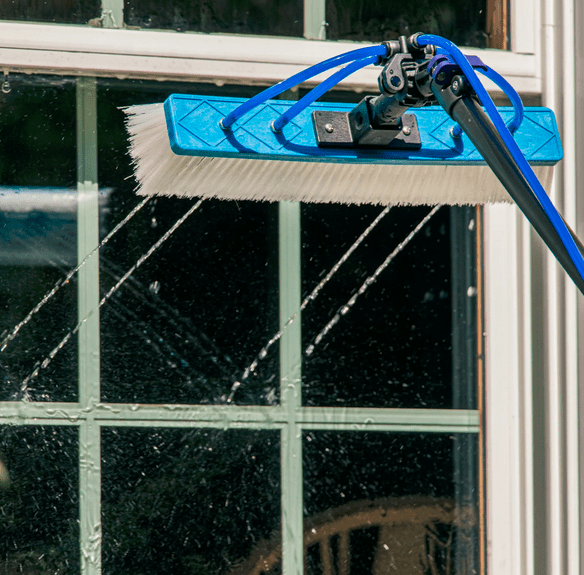
Second, water quality. The single biggest upgrade the industry has made is adopting pure-water poles for exterior panes. By filtering water through resin and carbon to near-zero total dissolved solids, you can scrub with a soft-bristle brush and rinse, then let the glass air dry without spotting. There is no need for detergents on most exterior glass. Out of the box this approach is already cleaner for the environment, and it keeps frames from accumulating film.
Third, containment and runoff. Whatever goes on the window can find its way into soil, planter beds, and storm drains. A conscientious crew uses minimal solution, wipes sills thoroughly, and avoids pressure that drives water behind siding or through weep holes. If they do eavestrough cleaning as part of the visit, they capture debris rather than window cleaning companies washing it down. These control points matter more than any single product label.
Health and comfort at home
Not all homes react the same way to chemical exposure. Older houses often have limited ventilation. Families with infants or pets notice odors faster. In small bathrooms or kitchens, one spray of a classic blue cleaner can linger for hours. Eco-friendly products cut down on volatile organic compounds and skip synthetic fragrance. The difference is immediate: less eye sting, no throat scratch, and no headache after a deep clean.
On the surface level, glass should be neutral, not perfumed. If you smell it after the cleaner leaves, they used too much. Professional window cleaning services that lean green typically bring concentrated solutions and mix on site for the lightest effective dose. They also understand how to sequence the job to avoid cross-contamination, like cleaning interior panes after dusting blinds rather than before.
Performance, without the trade-down
There is a rumor that green equals weak. That falls apart under a squeegee. Technique accounts for a large share of speed and finish quality. When I train crews, I focus on angle, pressure, and edge control. With the right rubber and a clean channel, a mild solution runs as cleanly as a strong one. Stubborn marks like sticker glue or paint overspray require a different tool, not harsher chemistry. A fine razor with proper lubrication or a white non-scratch pad solves most of it. Mineral deposits from sprinklers are the main exception. They are mineral, not organic, so you need a dedicated remover, often citric or oxalic acid based, carefully applied and neutralized. That does not conflict with eco-friendly practice. It is targeted and controlled.
Pure-water systems deserve a closer look here. On exterior glass, they remove film, pollen, and road dust efficiently. The brush loosens, the pure water rinses, and because there are no minerals left in the rinse, you can walk away and let the sun do the drying. On commercial jobs with height, this replaces ladders for upper floors and keeps techs on the ground. On residential window cleaning, it means frames get scrubbed as part of the pass, not just the glass. The final shine is as crisp as a traditional mop and squeegee, and sometimes better, because frames are cleaner.
Safer methods for different surfaces
Not all windows are created equal. Old wavy glass, modern low-e coatings, and tempered panes behave differently. An eco-minded window cleaning company treats them accordingly.
Low-e and tinted glass carry manufacturer sensitivities. Abrasives and strong alkalines can etch coatings. Mild, pH-neutral solutions protect the layer, and tools matter more than mix. Fresh, soft rubber prevents chatter. Microfiber sleeves with low lint keep debris from scratching. On storm windows, which can trap moisture and grime between panes, patience beats force. You pull the inserts carefully, clean both sides, and dry the tracks to prevent mold. Everything gets reassembled without slamming or flexing the glass.
Frames and sills tell their own stories. Aluminum frames chalk over time. Vinyl frames collect static dust. Wood frames, especially older ones, can wick water and show tannin bleed if you over-saturate. An eco-friendly approach uses damp, not wet, on interiors, with towels staged at the sill, and avoids inundating the wood. On the exterior, pure water keeps residue from settling into frame corners.
The crossover with exterior house cleaning
Windows don’t live alone. Siding, soffits, fascia, and eavestroughs all influence how quickly glass gets dirty again. If your eavestrough is full, overflow can streak panes and stain frames. If your vinyl siding carries mildew, rain splash sends spores onto nearby glass.
Bundled exterior house cleaning packages make sense when they respect materials. Vinyl siding cleaning responds well to a soft-wash approach: low pressure, biodegradable surfactant, a dwell time, and a gentle rinse. You keep chemistry off plants by wetting them before and after, and by shielding delicate leaves. Stucco and brick need different flow rates and wand distances. In every case, blasting dirt with pressure alone is a shortcut that carves water into tiny gaps and drives debris behind trim. Balanced flow, brush action, and light chemistry do the work.
Eavestrough cleaning is another spot where eco and results align. The best eavestrough cleaning services don’t rely on a hose to wash sludge down the drain. They scoop, bag, and flush short runs only to verify downspout flow. Ladders are padded, and feet are set to protect landscaping. In cities that feed stormwater straight to rivers, like many neighborhoods in and around London, Ontario, that control keeps organic muck, asphalt shingle grit, and zinc runoff out of tributaries.
Choosing a window cleaning service with a green backbone
Most marketing pages can claim earth-friendliness. What matters is how a company proves it on your driveway. A few indicators help separate talk from practice.

Ask what they put in the bucket. If the tech can name the surfactant type and explain when they use pure water instead of soap, you are on track. Inquire about how they manage runoff and whether they carry towels for sill containment. Look for reusable, washable tools and a clean kit, not a trail of single-use wipes. Insurance and safety training still matter. Eco-friendly without a ladder plan or fall protection is not responsible. And check for services that cover more than glass. Local window cleaning services that tie in basic eavestrough cleaning and quick siding touch-ups can solve upstream issues that keep windows clean longer.
If you are searching for “window cleaning near me,” you will likely see a mix of solo operators and larger window cleaning companies. Solo techs often offer flexibility and personal accountability. Larger teams bring systems, pure-water rigs, and scheduling bandwidth. In a place like window cleaning London Ontario, the climate swings from freeze to thaw, and that accelerates grime accumulation. The right window cleaning service sets a schedule that matches the environment rather than forcing quarterly visits year-round. Spring and late summer often deliver the best value in this region, with a mid-winter touch-up for high-traffic glass if your household allows it.
Real-world cadence: how often, and why
Frequency is not a vanity metric. It’s a tool to keep effort low and results high. For a typical detached home near moderate traffic, two full exterior cleanings per year with one interior service maintains clarity. If you are under trees that drip sap or near a construction corridor, you might need a third pass for exteriors. Screen cleaning once per season matters; dirty screens shed dust and faintly mist panes with pollen and lint.
In London, dust patterns shift with weather. Spring thaw lifts a winter’s worth of road grit into the air. Summer pollen from maples and grasses bonds to glass, especially on shady sides. Late fall adds leaf tannins and eavestrough overflow when downspouts clog. A window cleaning company that lives here has the timing intuition built in. They will often pair eavestrough cleaning London Ontario services with fall appointments to get ahead of freeze-thaw cycles that can force clogs into seams.
Inside the appointment: what good looks like
A tidy crew arrives with drop cloths, ladders that won’t chew up gutters, and a quiet confidence. They walk the property, point out sensitive plants, loose siding, and any cracked panes. They stage gear, then start with upper floors and work down. Interiors run on clean buckets, fresh sleeves, and careful movement around furniture. Shoes off or booties on, depending on the home. Sills get wiped to dry, not just brushed. Screens are removed, washed, and dried outside so they do not drip on floors.
On the exterior, if they use a pure-water system, you will see a small filtration unit with lines feeding a carbon and resin bed. The brush head glides over frames and corners, loosening debris. Rinses are deliberate, not frantic. If certain panes need a squeegee finish, the tech switches tools rather than forcing the pole to do it all. Critical detail: they check the edges for runs and touch up with a lint-free cloth. Quality is obvious from the corners, not the center.
Waste, packaging, and the small habits that add up
Eco-friendly is not only what sits in a bottle. It is also what you do with the bottle and how often you buy it. Concentrates reduce plastic, and bulk purchasing with measured dilution cuts waste further. Refillable spray bottles with labeled ratios keep the mix consistent. Microfiber lasts hundreds of washes, provided you avoid fabric softeners and high heat. Squeegee rubbers last longer if stored flat and cleaned after each day. Worn rubbers get recycled for non-critical uses like scraping water off van windows or protecting ladder feet.
Transport leaves a footprint as well. Smart routing and clustered appointments reduce idling and drive time. Some window cleaning companies track mileage and adjust schedules to limit cross-town hops. You might not see that as a client, but you can feel it in on-time arrivals and shorter appointment windows. In dense neighborhoods, technicians can even walk lines of townhomes with portable kits. Small operational choices shift the environmental balance more than any single ingredient swap.
When spots fight back: water, minerals, and fixes
Hard water leaves spots that look like ghost puddles on glass, especially where sprinklers hit panes. These are mineral deposits. Mild detergents do not dissolve them. Avoid aggressive acids without testing. Even eco-forward services carry targeted removers, and the difference is in application. They mask surrounding materials, test a corner, and neutralize afterward. If sprinklers are the culprit, the lasting fix does not involve more cleaning. It involves adjusting heads or adding drip lines. A window cleaning service focused on outcomes will tell you that openly, even if it reduces their visits.
Paint overspray is another beast. It often shows up after renovation. The green route here is mechanical, not chemical. With lubrication on the glass, a flat razor at a low angle slices the paint nibs cleanly. Used incorrectly, a blade can damage tempered glass with fabricating debris. That is why experienced hands matter. They test, they feel for drag, and they switch to non-scratch pads when the Window cleaning service risk is high.
Pricing, value, and where the money goes
Eco-friendly window cleaning services are not automatically more expensive. The cost structure depends on access, pane count, screen condition, and add-ons like eavestrough cleaning. Pure-water setups speed exterior work, which can offset the time spent on careful cleanup and runoff control. If a quote seems too low, ask what is included. A fair price accounts for insurance, training, quality tools, and time to do the job without shortcuts. When a company reuses reliable gear, buys concentrates, and routes efficiently, they can deliver competitive rates without cheapening materials.
From a homeowner’s perspective, look at value over a season. A meticulous clean with frame and screen attention keeps glass clearer for longer, especially when paired with vinyl siding cleaning and a fall eavestrough check. Fewer visits over the year with better results often beats a cheap monthly wipe that smears edges and leaves tracks.
Local context: window cleaning London Ontario
Weather sets the pace in Southwestern Ontario. Humidity swings and winter road salt play tricks on glass. After late-winter thaw, streets throw fine grit into the air, which lands on windows in a sticky film. In summer, urban growth zones kick up dust that adheres to shaded panes. A local window cleaning service that works year-round sees these cycles and plans around them. If you are searching for window cleaning London or seeking a long-term partner, ask about their seasonal approach. Do they suggest a late April or May clean to reset after winter, then a late August or September polish that includes eavestrough cleaning before leaves drop? That cadence lines up with conditions, not marketing.
Being local also matters for responsiveness. Storms blow through. Construction wraps up on your street. A good team can swing by for spot fixes between full cleans. Neighbor referrals work particularly well here. Streets of similar home styles allow crews to standardize ladders and techniques, increasing safety and speed without compromising detail.
How to prepare your home, and how to keep results longer
You do not need to do much before a visit, but a few small steps help. Clear heavy items from sills, and move fragile decor a foot back from the glass. Unlock storm windows if you have them, and let the team know about any security sensors. Trim shrubbery that blocks critical panes, or point out areas where plants are sensitive so the crew can shield them.
For longevity, think air paths. Change HVAC filters regularly to reduce dust that settles on interior glass. Keep kitchen and bath fans running to vent moisture that fogs and leaves mineral traces. Outside, adjust sprinklers to avoid hitting windows. Consider gutter guards if leaf load is high, but choose designs that still allow proper cleaning. Screens should be clean and dry when reinstalled. A grime-loaded screen will undo a careful clean in a week.
Below is a short, practical checklist to help you choose and work with a provider.
- Ask what chemicals they use and when they switch to pure-water cleaning. Confirm they manage runoff, protect plants, and wipe sills dry. Verify insurance, safety practices, and ladder protocols. Align timing with seasons, especially for eavestrough cleaning London Ontario. Request bundled options for windows, screens, and light exterior house cleaning.
Residential needs versus commercial demands
Commercial glass can be taller, larger, and more frequent. Residential window cleaning has quirks that commercial work often does not. Pets try to sneak out. Antique furniture hugs bay windows. Sunrooms with multi-pane grids demand slower, precise squeegee work. Eco-friendly practice in homes focuses on low-odor, low-moisture approaches and more conversation. On storefronts or office buildings, efficiency matters, but so does early scheduling to avoid foot traffic. Pure water thrives on these jobs, eliminating the need for buckets that might tip into public walkways.
Window cleaning companies that cross both worlds bring discipline from commercial routines to residential care, while adding the softer touches homeowners appreciate. They stock protective pads for floors, carry corner tools for French panes, and take photographs of pre-existing cracks or scratches before starting. That clarity protects everyone.

The quiet benefits: warranty, materials, and property value
Modern window units carry warranties that can be voided by harsh chemicals or abrasive methods. Eco-friendly services that document their processes help preserve those warranties. Over time, gentle methods extend the life of seals and frames, particularly on vinyl. Less chemical residue means less long-term haze on low-e glass, which maintains thermal performance. Clean, streak-free windows also brighten listing photos and open houses, raising curb appeal in a way that paint alone cannot match.
Think of the house as a system. Windows, siding, and eavestroughs are not separate chores. Water moves, dust circulates, and sunlight exposes the truth every morning. When you align your cleaning approach with those realities, the property looks better, runs quieter, and needs less scramble maintenance.
A note on small jobs, storm days, and reality
Not every appointment enjoys blue skies. Rain can cancel pure-water work if the wind drives debris, but light showers are not a problem. Clean glass sheds water evenly, and rain itself is not dirty. The issue is what the rain drags down from dirty frames and sills. If your frames are cleaned properly, a shower after service should not ruin the result. Good companies communicate weather policies upfront and do not pressure you into unnecessary rescheduling.
Small jobs deserve respect too. Maybe you just need post-renovation dust removed from a sunroom, or a quick tidy on a set of patio doors before a gathering. Local window cleaning services that value relationships will fit those in when routes allow. The green ethos extends here as well: a small kit, a light touch, minimal product, maximum care.
Bringing it all home
Eco-friendly window cleaning is not a niche. It is simply better practice. The right combination of pure water, mild chemistry, careful technique, and thoughtful runoff control produces cleaner glass, safer rooms, and less impact outdoors. If you are appointing a window cleaning service in your area, ask for specifics, watch how they work, and see how your home feels after. The light coming through a responsibly cleaned window looks the same. The air, the frames, and the soil below that window tell the difference.
Clearview Brothers Window Cleaning London, ON (226) 239-5841
Clearview Brothers provides professional window cleaning, eavestrough cleaning, siding cleaning, and screen cleaning services in London, Ontario. Their eco-friendly methods and advanced equipment deliver streak-free windows, clear gutters, and refreshed exteriors that enhance curb appeal and protect your home.